
Speaker Placement and Room Acoustics: The Free Upgrade That Transforms Hi-Fi and Home Theatre on the Gold Coast
Before you spend on a new amplifier or speakers, try spending an afternoon moving the ones you already own. It costs nothing, and it can make a surprising difference to focus, bass and the sense of space in your music.
That’s because your room is not simply a backdrop for your system. It is part of the system. Speaker position, listening-seat position and the room’s surfaces all influence what reaches your ears. Get those foundations working together, and familiar recordings can feel more balanced, open and engaging.
Start with a listening triangle
For two-channel hi-fi, begin with a simple shape: an approximate equilateral triangle between the two speakers and your listening seat. In other words, start with the speakers about as far apart as each one is from you. Keep them an equal distance from your seat and arrange them symmetrically around the room’s centre line.
This is a starting point, not a rule to obey at the expense of your room. If the speakers are too far apart, the middle of the stereo image can feel hollow. Bring them closer together and that centre may become more solid. Tweeters roughly at ear height when you’re seated are another useful starting point, helping high-frequency detail arrive directly rather than from above or below.
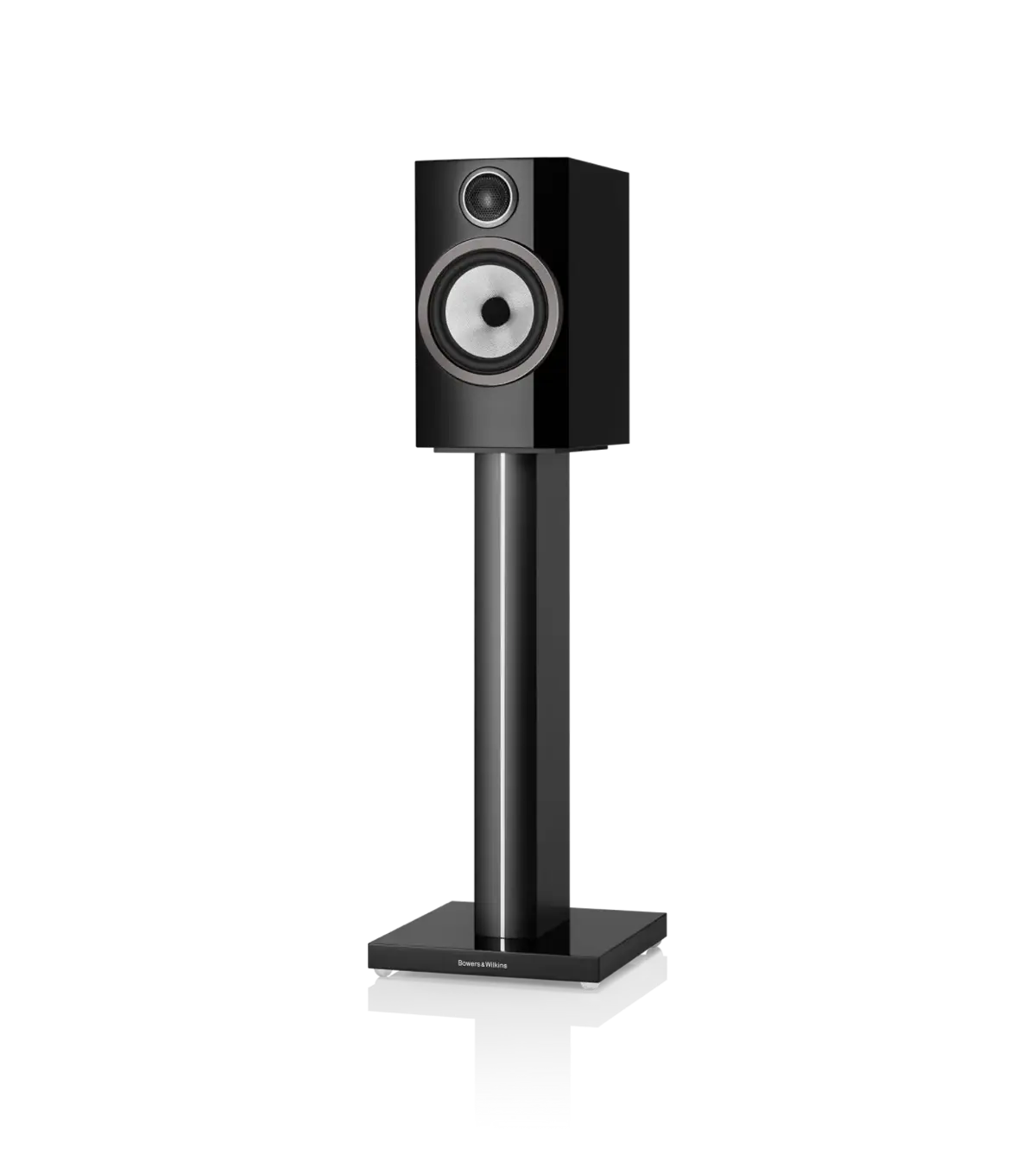
That’s one reason stand-mount speakers need the right stands, not just a suitable shelf. The Bowers & Wilkins 706 S3 is a stand-mount speaker designed to sit on a dedicated stand. At $3,199, it’s a considered choice for a system, but getting the tweeters to a sensible listening height is part of helping that system perform as intended.
Use toe-in to tune focus
Toe-in is the angle of each speaker towards your listening seat. Start with both speakers aimed towards you, then adjust them in small, equal steps. The right amount depends on your speakers, the room and your preference.
A little more toe-in can sharpen the image and help a singer or solo instrument lock into the centre. Too much can narrow the soundstage and make the top end feel hard. Less toe-in may open up the presentation, though it can also send more sound towards the side walls.
Try a familiar track with a clear central vocal. Does the voice feel solidly in the middle, with instruments arranged around it? If the centre sounds diffuse, experiment with a little more toe-in. If the presentation feels cramped or bright, ease the speakers out slightly. Small adjustments are usually more revealing than sweeping changes.
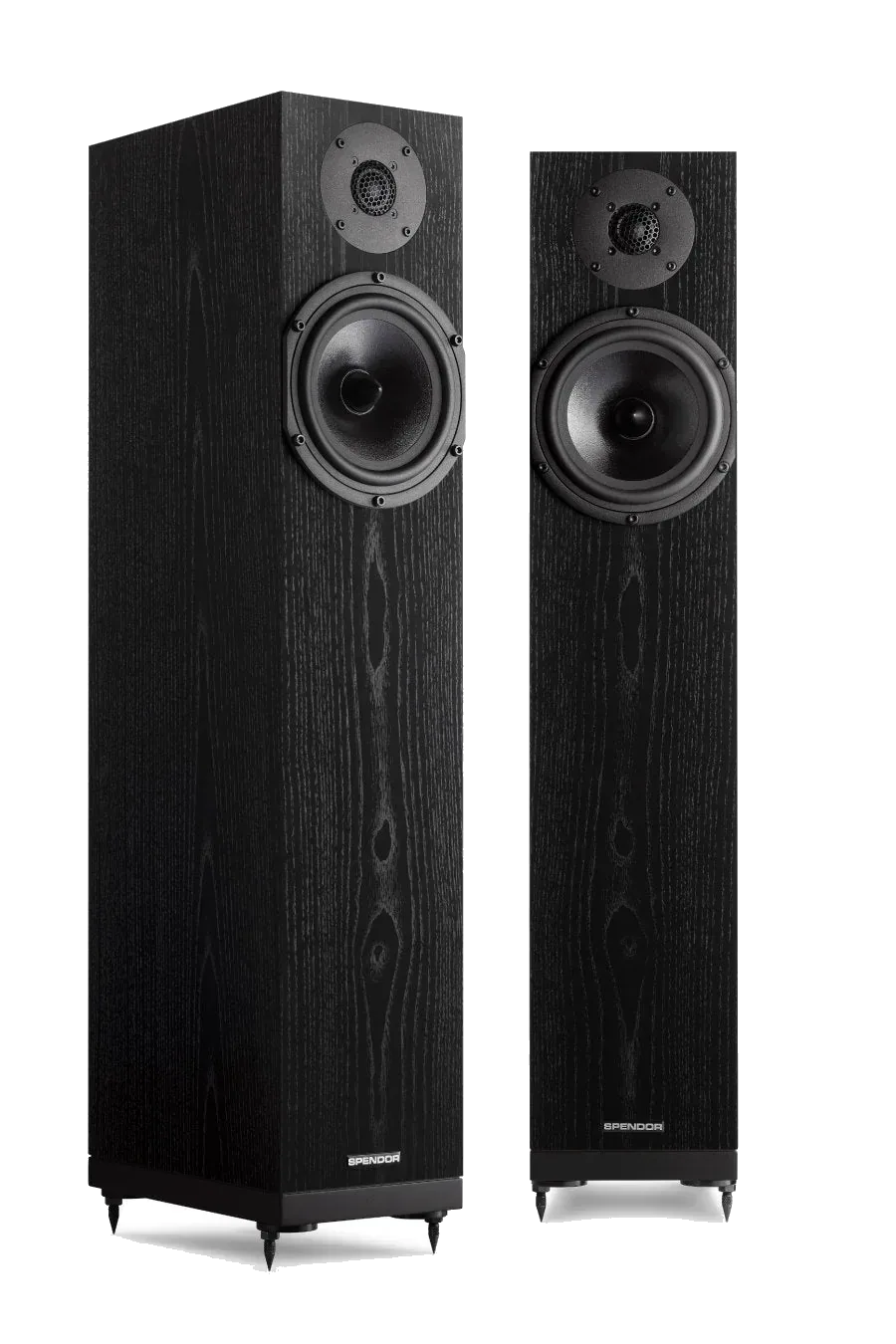
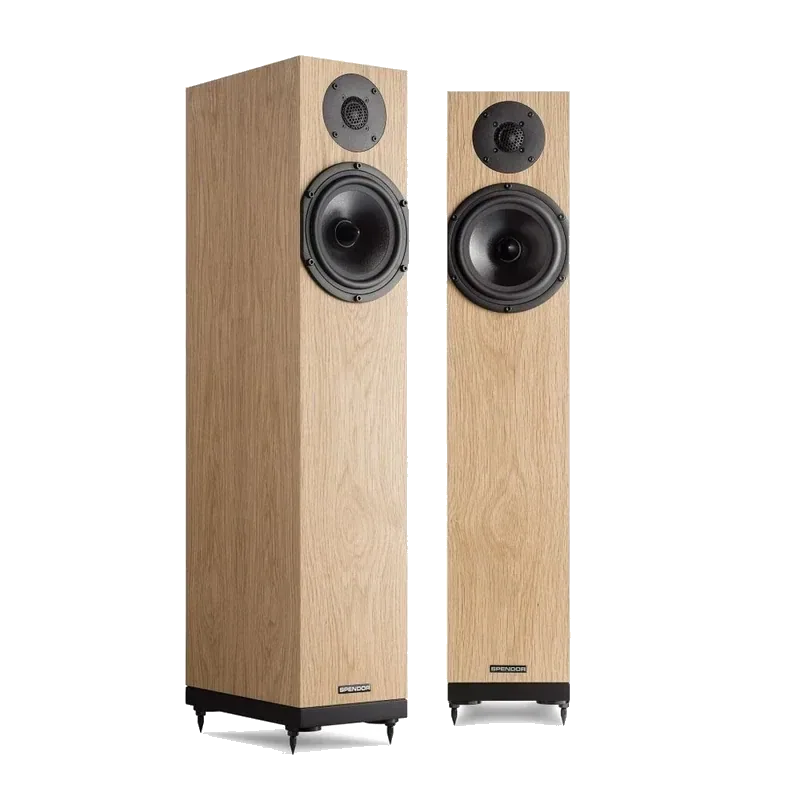
Floorstanders need the same thoughtful positioning. The Spendor A4, priced at $5,999, is described as able to remain tuneful and articulate close to a wall. That can be helpful in a living space, but it doesn’t mean the exact position is unimportant. Try a modest change in distance and toe-in, then listen for the balance of bass, vocal clarity and spaciousness.
Find a sensible distance from the front wall
Placing speakers close to the wall behind them can reinforce bass. That may be useful if the sound is lean, but it can also make low notes feel heavy or less distinct. Moving them further into the room can give the midrange and stereo image more breathing space, though it may reduce bass weight and take up valuable floor area.
There is no magic distance that suits every speaker and room. The result depends on the speaker design, room dimensions and what else is in the space. Move both speakers forward or back by a small amount, keeping them matched, and listen again. Use familiar music with both bass notes and natural-sounding voices; the goal is not simply more bass, but a balanced and coherent presentation.
Tame the first reflection, not the whole room
A bare, hard side wall beside a speaker can reflect sound back towards you soon after the direct sound arrives. Those early reflections can blur timing and detail, making the stereo picture less precise. This is one of the practical ways room acoustics shape what you hear.
You don’t have to turn your living room into a recording studio. A rug can reduce reflections from a hard floor. Curtains or other soft furnishings can help soften a lively space. A filled bookshelf can scatter some sound in different directions, making the reflection less uniform; it is not the same as a purpose-made acoustic absorber, but it can be a useful part of a lived-in room.
Try listening before adding anything. If voices and instruments seem smeared, or the room sounds bright and echoey, consider what is reflecting sound near the speakers. A small change to a rug, curtain or bookshelf may be more useful than treating every wall.
That matters in many Gold Coast and Northern Rivers homes, where open-plan living, tiled floors, glass and other hard surfaces can make a room lively. Carpeted, dedicated listening rooms often behave differently. The right solution depends on the room you have, not an idealised space in a diagram.
Give your listening seat some breathing room
Your seat is part of the equation. Sitting right against the back wall can exaggerate bass, as low frequencies build up near room boundaries. If possible, move the seat forward a little and listen for tighter, more even bass. Even a small amount of air behind your head may help.
When trying different positions, keep the seat centred between the speakers if you can. A balanced left-right arrangement helps maintain stable imaging, even when a doorway, fireplace or TV wall makes perfect symmetry impossible.
Real rooms involve compromises. Protect symmetry around the speakers and listening position where practical; let go of making every distance or wall surface identical. If a doorway means one speaker sits closer to a side wall, work with it: adjust placement and toe-in, then judge the result from the seat you use most.
Home theatre starts with the room, too
The same room-first principles apply to home theatre on the Gold Coast: decide where people will sit and watch before planning where the equipment rack goes. At Toma Audio, our installs start with the room and the seating, not the rack.
Keep the left and right speakers balanced around the screen. Anchor the centre channel close to the screen and aim it towards seated ear height, so dialogue feels connected to the picture. Surround speakers are generally best at or slightly above ear height, rather than high up on the ceiling. The aim is an enveloping sound field that stays connected to the action.
Bass needs its own listening test. Room modes, low-frequency resonances created by the room’s boundaries, can make bass loud in one seat and weak in another. A subwoofer’s specification sheet cannot tell you where those effects will be strongest in your home. Try more than one position and listen from your main seats before settling on a location.
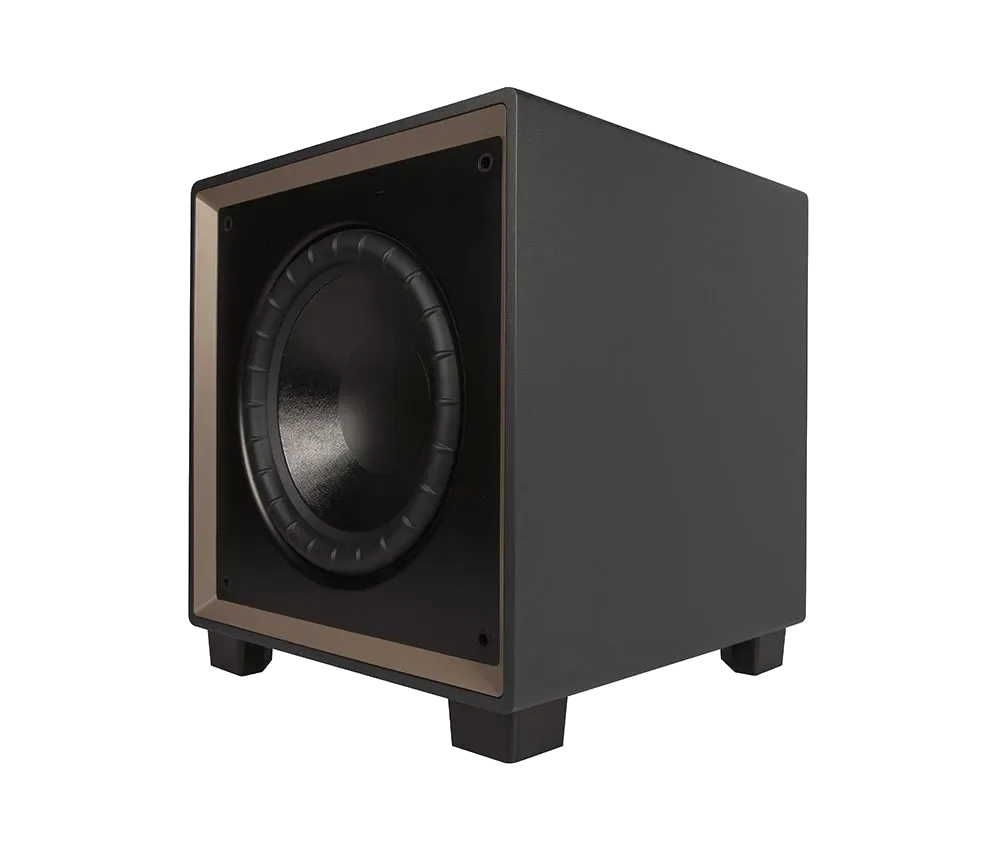
The Episode MEGA S Series 12-inch sealed subwoofer with 500W amplifier, priced at $2,700, is a sealed design with Automatic Room EQ and app control built in. That assistance is genuinely useful, and it still can’t decide where the subwoofer should sit. Its position needs to be tested in your room. A promising spot is one that gives you more even, controlled bass across the seats you use, not just the loudest bass at one point.
For more on home theatre speaker layouts, see Dolby’s setup guidance. And if you’re planning a broader audiovisual upgrade, the same principle applies: plan around the way you live and listen.
Where calibration and acoustic treatment come in
Placement gets you a long way for free. When a room still fights back, there are two further tools, and they work best together.
The first is measurement-based calibration. Dirac Live takes measurements from several positions around the listening area and builds a correction filter that tidies how the room responds across those seats: uneven bass, smeared timing and reflections all get a measured, targeted answer rather than a guess. In a cinema room it shines at taming bass, because the low-frequency resonances that make one seat boomy and another thin are exactly what its correction is built to address. It is not a substitute for good placement; it is what placement leaves on the table.
The second is acoustic treatment itself. Purpose-made absorbers and diffusers on first-reflection points and the rear wall do what a rug and a bookshelf only hint at, and in a dedicated cinema they are the difference between a room that measures well and one that feels right on every seat. For two-channel listening rooms, even light treatment on the side walls and behind the listener lets a well-placed pair of speakers do their best work.
We offer both as part of our cinema and listening room work: Dirac calibration to make the electronics and the room agree, and acoustic treatment to give the room itself a fair chance. Placement first, then treatment where it earns its place, then calibration to finish. That order matters, and it is the one we follow.
Start here: a room-first checklist
Make one change at a time, and use music or film scenes you know well.
- Choose your main listening seat and, if possible, move it slightly away from the back wall.
- Centre the seat and speakers as symmetrically as the room allows.
- Form an approximate equilateral triangle and check tweeter height while seated.
- Adjust speaker distance from the front wall in small, matched steps.
- Experiment with toe-in, listening for a focused centre without a narrow or hard presentation.
- Check for strong side-wall reflections; try a rug or soft furnishings where they make sense.
- In a theatre, test the subwoofer in more than one position before final calibration.
Placement and room acoustics may not be as glamorous as a new component. But they are the foundation beneath every note and every film soundtrack. Before upgrading, give your current system the chance to show you what it can do in a better position.
If you’d like a second opinion, bring your questions, and, if useful, a description or sketch of your room, to the Tweed Heads showroom. We’ll be happy to talk through the possibilities and let you audition a system in a relaxed setting. Get in touch with Toma Audio when you’re ready.